Exploring Algorithmic Player Profiling Techniques in Networked Slot Ecosystems
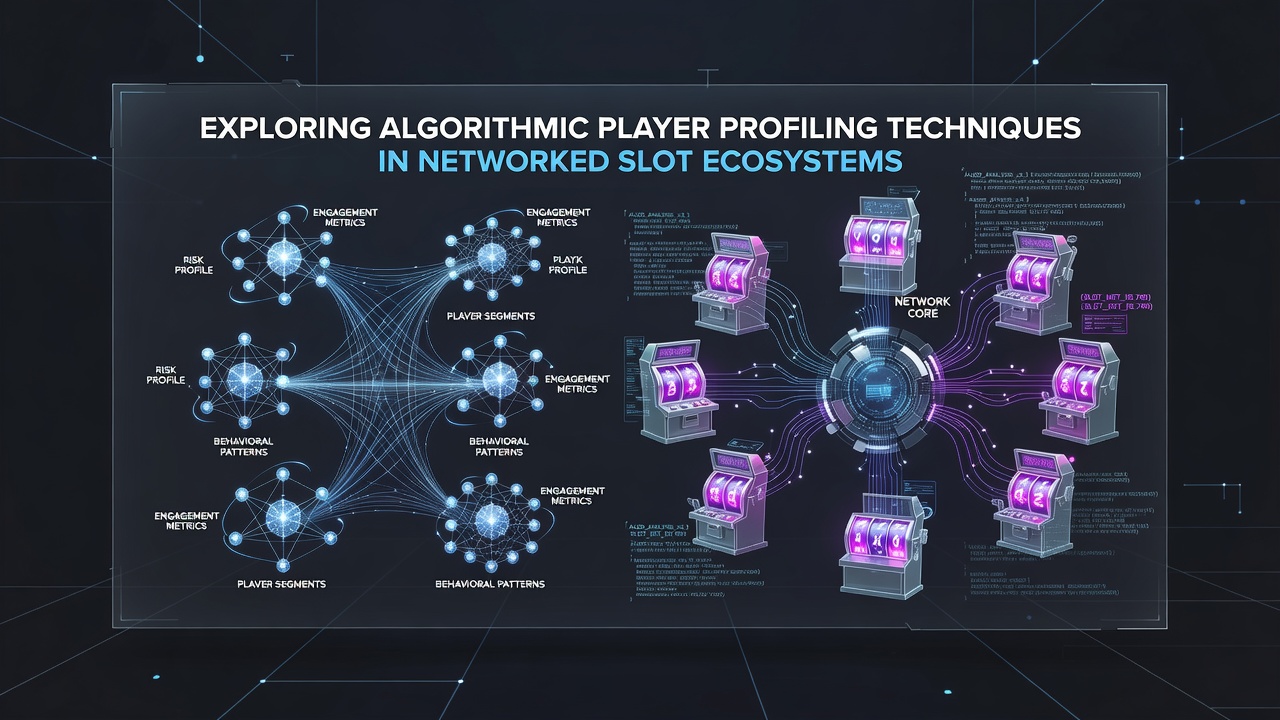
Networked slot ecosystems connect individual machines across multiple venues or online platforms to centralized data systems that track player activity in real time, and these connections allow operators to gather extensive behavioral metrics without requiring manual intervention. Researchers have documented how algorithms process inputs such as wager amounts, spin frequency, and session duration to build detailed profiles that segment users into categories ranging from high-volume players to those who prefer shorter interactions.
Data Inputs and Collection Mechanisms
Slot networks collect information through embedded sensors and software hooks that log every transaction while a player remains active, and this data flows to secure servers where it undergoes initial cleaning before algorithmic analysis begins. Observers note that common variables include bet size variations, win-to-loss ratios over successive spins, and the timing between decisions, all of which feed into clustering models designed to identify patterns without human review. According to reports from the Alcohol and Gaming Commission of Ontario, Canadian operators have standardized these collection protocols since 2023 to support both compliance and operational efficiency.
Systems often incorporate loyalty card data alongside anonymous session logs, which creates richer datasets that algorithms can cross-reference against demographic details supplied during account registration. Those who manage these platforms report that integration of geolocation signals from mobile-connected terminals further refines location-based behavior tracking, especially in jurisdictions where multi-site networks operate under single regulatory umbrellas.
Machine Learning Models in Profile Construction
Supervised learning techniques train on historical outcomes to predict future actions such as deposit frequency or game selection shifts, while unsupervised methods like k-means clustering group players by similarity without predefined labels. Neural networks handle sequential data from extended play sessions by modeling dependencies between consecutive bets, and this approach reveals tendencies that simpler statistical methods might overlook. Evidence from industry technical papers shows that reinforcement learning variants have been tested in controlled environments to optimize bonus delivery timing based on predicted engagement curves.

Feature engineering plays a central role because raw logs must be transformed into meaningful indicators such as volatility tolerance scores or session abandonment probabilities. Analysts at research institutions have found that combining these engineered features with real-time updates improves model accuracy, particularly when networks span both land-based terminals and remote access points. As of June 2026, several providers have begun deploying edge computing nodes that perform preliminary profiling locally before syncing summarized results to central repositories, which reduces latency in large-scale deployments.
Network Architecture and Scalability Considerations
Distributed ledger elements appear in some newer ecosystems to ensure tamper-resistant audit trails for profiled data, although most implementations still rely on traditional relational databases augmented by time-series stores for high-velocity inputs. Load balancing across regional servers allows continuous operation even when individual venues experience peak traffic, and this architecture supports simultaneous profiling of thousands of concurrent sessions. Technical documentation from equipment manufacturers indicates that API gateways standardize data exchange between disparate slot cabinets and the central profiling engine regardless of hardware generation.
Security protocols encrypt player identifiers during transmission, and access controls limit which staff members can view aggregated rather than individual profiles. International standards bodies have issued guidelines that encourage consistent encryption practices across borders, which facilitates smoother data sharing when operators expand into new markets.
Applications in Operational Decision Making
Profiling outputs directly influence automated marketing triggers such as personalized free-spin offers or tiered loyalty rewards, and these actions occur without requiring live intervention from floor staff. Floor managers receive summarized dashboards that highlight emerging segments rather than raw individual records, which helps maintain compliance with privacy regulations while still enabling responsive floor adjustments. Case examples shared at industry conferences demonstrate how operators used segmentation to reallocate machine floor space toward configurations favored by dominant player clusters at specific properties.
Dynamic difficulty adjustment remains a debated use case, yet some networks apply subtle parameter shifts based on profile predictions to maintain target hold percentages across different user groups. Regulatory filings in multiple jurisdictions require disclosure of any automated decision systems that affect game outcomes, and this transparency obligation has prompted development of explainable AI layers that accompany core profiling algorithms.
Conclusion
Algorithmic player profiling within networked slot environments continues to evolve alongside improvements in data infrastructure and regulatory frameworks, and these developments shape how operators allocate resources and design player experiences. Continued monitoring by oversight agencies ensures that profiling practices remain aligned with established fairness and privacy standards across different regions.