How Biometric Authentication Protocols Reshape Access Patterns at Tribal Gaming Facilities in the Midwest
Willa Frank · Aug 8, 2026
How Biometric Authentication Protocols Reshape Access Patterns at Tribal Gaming Facilities in the Midwest
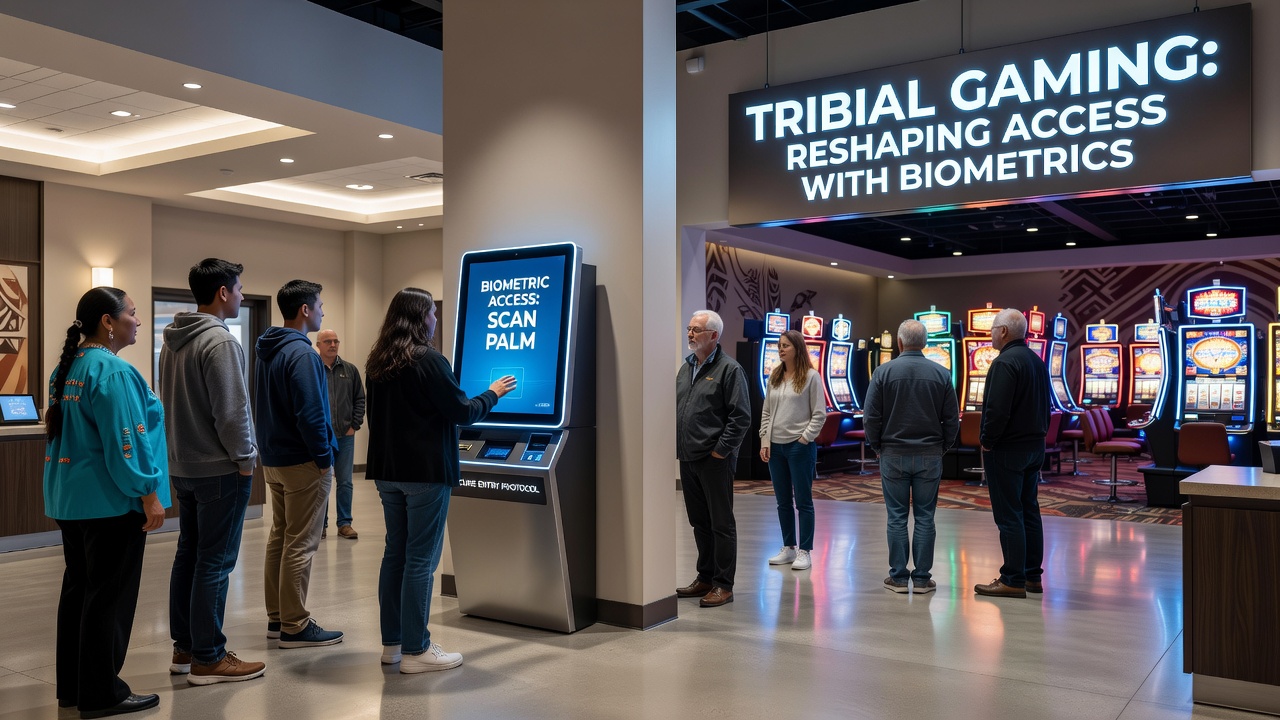
Tribal gaming facilities across the Midwest have integrated biometric authentication systems that include fingerprint readers, facial recognition cameras, and iris scanners at entry points, VIP lounges, and cash handling areas. These technologies connect directly to centralized databases managed by tribal gaming commissions, which allows for real-time verification of age, player status, and exclusion lists. Facilities in states such as Minnesota, Wisconsin, and Michigan report that the shift from traditional ID checks and loyalty card swipes to biometric matches has reduced average entry processing time by several seconds per guest during peak hours.
Adoption Trends Across Regional Properties
Operators began rolling out these protocols in phases starting around 2023, with broader deployment accelerating through 2025. By August 2026 multiple properties operated by tribes in the Great Lakes region had completed integration of multi-modal biometric terminals at all primary access points. The National Indian Gaming Commission maintains records showing that compliance wth federal minimum internal control standards now routinely includes biometric audit trails for high-limit areas. Those who manage daily operations note that the systems link to state self-exclusion registries, which enables automated denial of entry without requiring staff to consult separate paper or digital lists.
Shifts in Player Flow and Session Timing
Access patterns have changed because biometric verification occurs at turnstiles and elevator banks rather than at staffed counters. Guests who enroll their fingerprints or facial templates during initial visits move through dedicated lanes that bypass manual review queues. Data collected at several Minnesota properties indicates that repeat visitors now account for a higher percentage of total foot traffic during weekday afternoons, while first-time entries cluster around promotional events that offer streamlined enrollment stations. Researchers tracking these movements have observed that average dwell time in non-gaming areas such as restaurants and retail has increased slightly, since players spend less time waiting at entrances and more time navigating the property once inside.
Security Integration and Regulatory Oversight
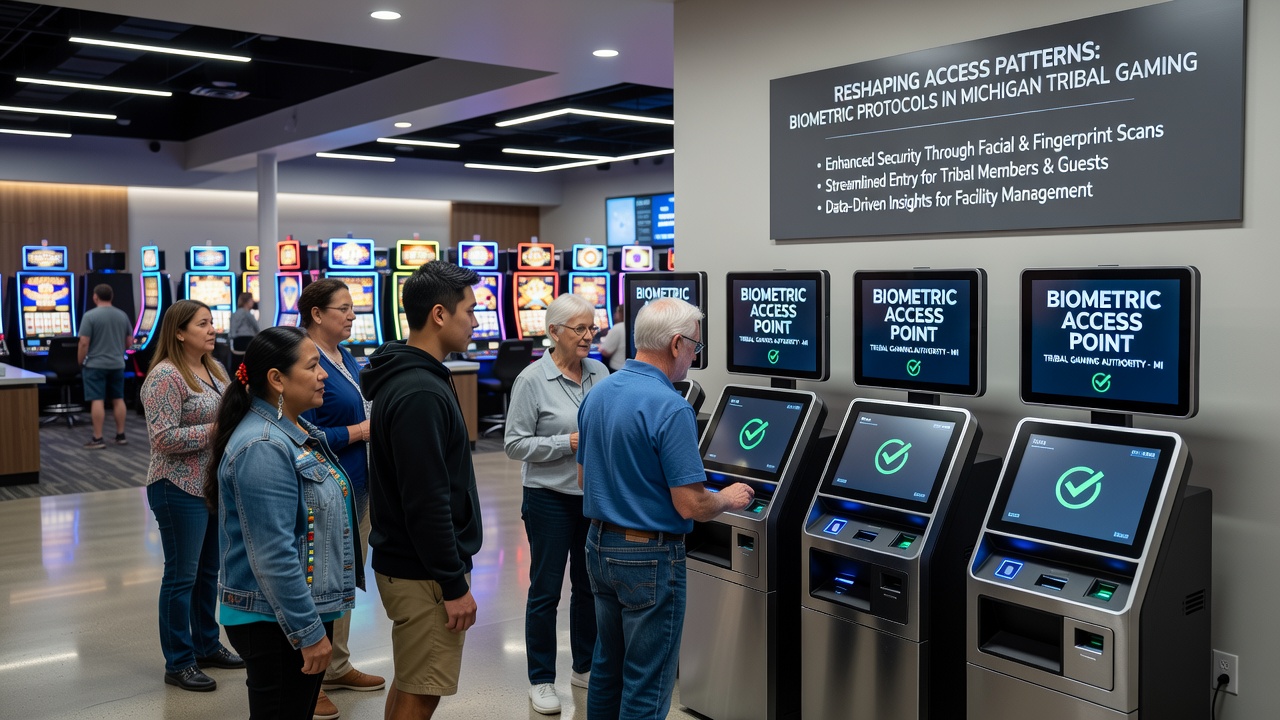
Biometric data remains stored on-site within encrypted servers that undergo annual audits required by tribal-state compacts. The Midwest Indian Gaming Association has published summaries indicating that participating facilities share only anonymized match logs with regulatory bodies, which preserves individual privacy while allowing pattern analysis across properties. When a match triggers an alert for a self-excluded individual or a person under 21, security teams receive notifications through handheld devices rather than public announcements, which maintains discretion at busy entrances. External audits conducted in early 2026 confirmed that false positive rates for facial recognition systems fell below industry benchmarks after software updates that incorporated regional demographic datasets.
Impact on Loyalty Programs and Player Tracking
Loyalty program enrollment now occurs through biometric capture stations located near slot banks and table game pits. Players who complete the process receive tiered access to private lounges and promotional kiosks without needing physical cards. Facilities report that redemption rates for targeted offers have risen because the systems automatically recognize returning guests and display personalized messages on nearby digital screens. One study coordinated by a university research group in Michigan found that the combination of biometric entry logs and slot machine data produced more accurate session duration estimates than previous manual observation methods.
Operational Adjustments at Mid-Sized Venues
Smaller tribal casinos have adopted hybrid models that combine biometric checkpoints with mobile tablet verification for overflow periods. Staff training programs emphasize how to handle enrollment exceptions, such as worn fingerprints from manual labor or lighting variations that affect facial matches. These properties have adjusted shift schedules so that technical support personnel remain available during high-traffic evenings when new guests arrive in larger groups. Records from Wisconsin facilities show that the volume of manual overrides declined steadily after the first six months of operation, which suggests that both staff and guests adapted to the new protocols.
Conclusion
Biometric systems continue to influence how guests enter, navigate, and exit tribal gaming facilities throughout the Midwest. The technology connects regulatory compliance requirements with operational efficiencies that affect daily traffic patterns, loyalty engagement, and security responses. Ongoing data collection through August 2026 and beyond will determine the extent of further refinements as additional properties complete their installations and share performance metrics with oversight agencies.