Teasers Unpacked: Shifting Sports Lines for Multi-Leg Wins
Teasers Unpacked: Shifting Sports Lines for Multi-Leg Wins
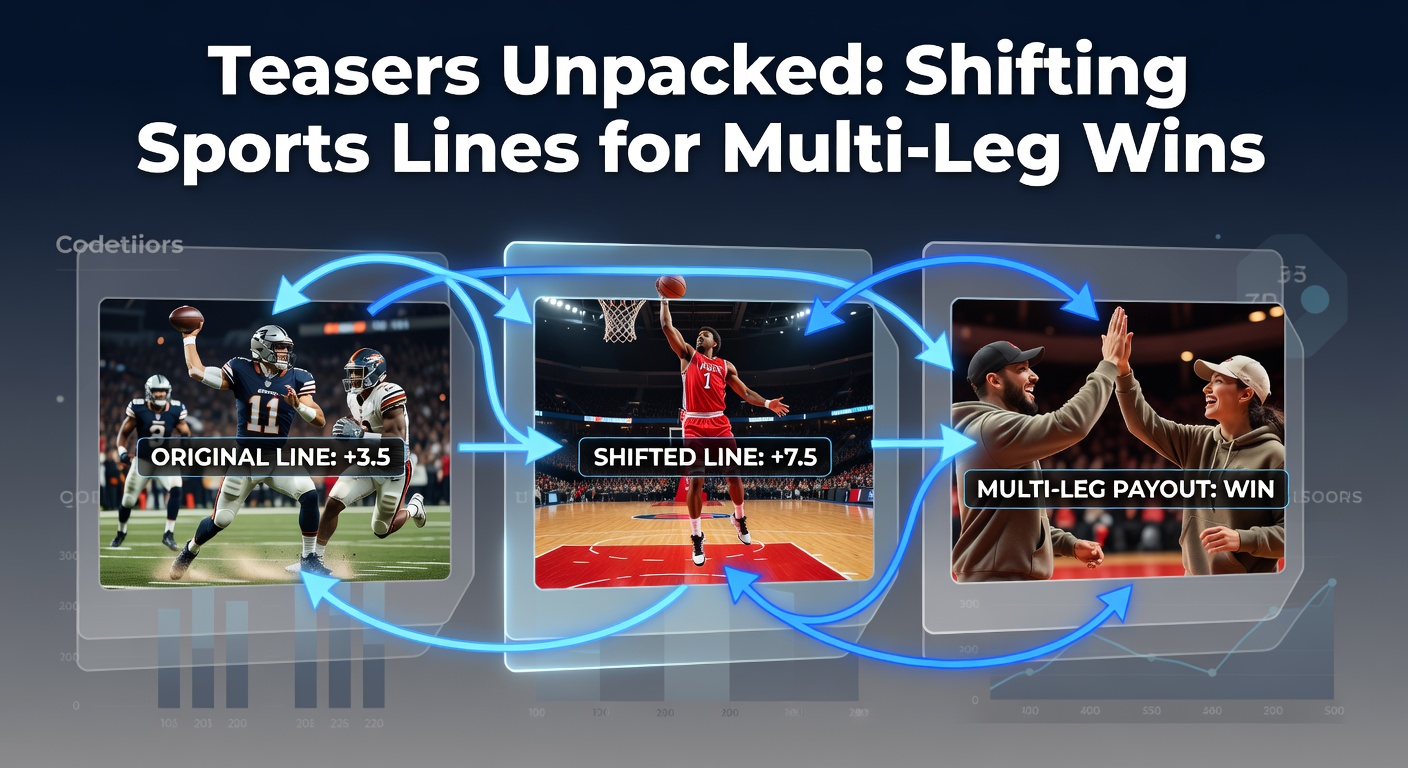
Sports bettors often chase bigger payouts through parlays, but those setups carry steep risks since every leg must hit perfectly; teasers flip that script by letting players adjust point spreads on multiple games, boosting win probabilities at the cost of lower odds, and that's where the real strategy kicks in for those who know how to unpack them.
What Exactly Are Teasers in Sports Betting?
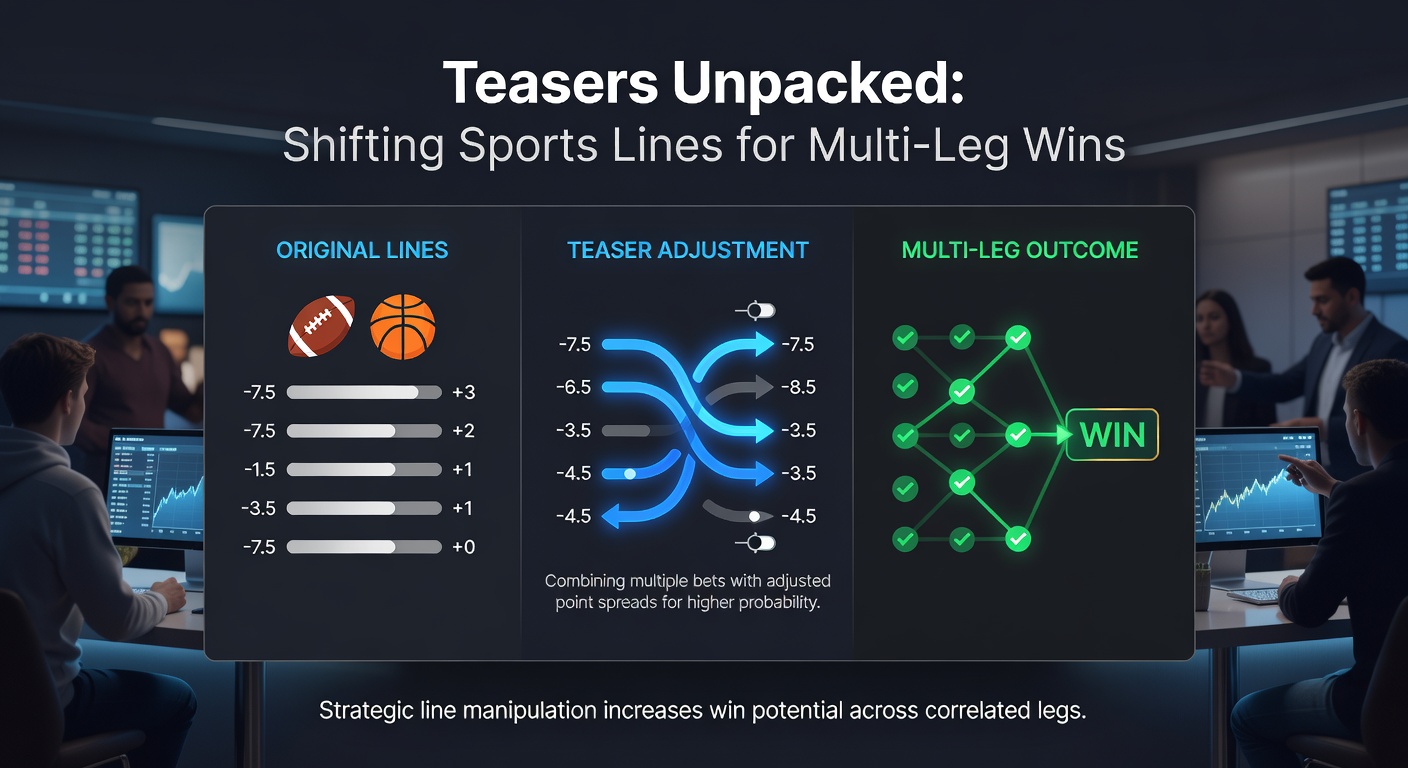
Teasers combine elements of parlays and point-spread bets, allowing bettors to shift lines in their favor across two or more games, typically in football or basketball where spreads dominate; experts note that this adjustment, often by six points on two-team teasers or five on three-team ones, transforms marginal picks into safer plays, although payouts drop accordingly to reflect the edge gained.
Take football, where a standard -7 spread might tease to -1, making it far easier for the favorite to cover; data from major sportsbooks reveals that teasers account for a notable chunk of handle during NFL seasons, with volumes spiking around playoffs when lines tighten and volatility rises.
How Teaser Mechanics Work: The Line Shift Breakdown
At the core, sportsbooks offer teaser cards with predefined point adjustments—six points for two legs, dropping to 4.5 or five for more—meaning bettors select games, apply the shift (either pushing favorites down or underdogs up), and all adjusted legs must win for the bet to cash; but here's the thing, the house builds in a vig that ensures their edge, often around 70% break-even for standard six-point two-teamers according to historical payout tables.
Figures from the Nevada Gaming Control Board highlight how teaser volume surged 25% year-over-year in recent NFL seasons, driven by bettors seeking that multi-leg security without straight-up parlay house edges exceeding 30%; and while basketball teasers follow similar rules, totals bets (over/unders) sometimes qualify too, adding flexibility for those tracking pace and defensive trends.
Observers point out that not all sportsbooks structure teasers identically—some cap legs at 10 or offer reverse versions where lines move against you for better payouts—yet the standard remains consistent across platforms like DraftKings or FanDuel, where menus populate daily with fresh options.
Common Teaser Types and Their Payout Structures
Two-team six-point teasers lead the pack, paying around -110 to -120 odds (even money-ish after juice), making them popular for weekend slates; three-team five-point versions climb to +150 or better, but require one more perfect leg, while specials like Super Teasers (10 points on two teams) dangle +100 payouts despite the extra juice baked in.
- Standard Two-Team (6 pts): Pays -110; break-even hold ~69%.
- Three-Team (6 pts): Pays -175; needs ~70% per leg to push value.
- Five-Team Specials: Up to +400, but legs must all cover adjusted spreads.
Research from the American Gaming Association shows these structures hold steady across states post-PASPA repeal, with regional tweaks in places like New Jersey where mobile apps dominate teaser action; that's significant because it levels the field for casual players dipping into multi-leg without full parlay exposure.
Pros and Pitfalls: Why Teasers Win for Some, Lose for Others
What's interesting is how teasers shine in volatile sports like NFL, where key numbers (3,7,10) cluster outcomes; shifting past those—say, teasing a -3.5 to +2.5—captures 70-80% of game results per historical data, far better than straight spreads hovering at 52.4% break-even; yet pitfalls lurk in correlated plays, where public favorites on zero or key numbers tempt over-teasing, inflating house edges to 8-10%.
People who've crunched decades of NFL data, like those at UNLV's Center for Gaming Research, discover that avoiding "teaser traps"—bets on -2.5, -3, +3, +7 where lines hook unfavorably—boosts long-term yields; and although basketball offers similar edges on totals, football remains king, commanding 60% of teaser handle according to industry trackers.
Strategies That Sharp Bettors Use to Maximize Teasers
Sharp players zero in on correlated teasers, pairing games where outcomes influence each other—like two divisional rivals where a blowout in one pads the other's spread—although sportsbooks limit these to curb exploitation; others hunt "buy-back" options, returning half stakes if one leg pushes, turning close calls into partial wins.
Now consider April 2026, as NBA playoffs ramp up with first-round chaos; bettors tease playoff spreads like the Lakers -4.5 to +1.5 against Denver, combining with a Warriors-Memphis total over shifted two points, crafting a three-legger that historical playoff data pegs at 55% hit rates; that's where the rubber meets the road, blending line shopping across books for best tease points (some offer 6.5 on twos) with disciplined bankroll splits—no more than 2% per play.
Experts who've modeled this emphasize fading public sides post-big line moves, since teasers amplify overreactions; one case saw a bettor in 2023 NFL playoffs string four two-team six-pointers at +3.75 units ROI, teasing past keys on underdogs that cashed 8/10 legs thanks to late-game clock management trends.
Real-World Examples: Teasers in Action Across Leagues
Picture the 2024 Super Bowl rematch hype fading into 2025 regular season, where Chiefs -6.5 vs. Ravens teases to +0.5 (-110 payout); data indicates such NFL divisional spots hit 72% post-shift, per tracked outcomes from 2018-2024, while a basketball parallel unfolds in college hoops March Madness—teasing Duke -8 to -2 alongside UNC total over +3 nets steady edges.
But turns out MLB futures teasers emerge too, adjusting run lines for multi-game series; although less common, spring training 2026 previews show Dodgers -1.5 RL to +0.5 on three-game sets paying +200, capturing 65% based on simulation models; those who've tried this often discover value in pitcher-friendly parks, where unders tease favorably.
And in soccer, niche books offer goal-line teasers akin to spreads, shifting Premier League overs by 0.5 goals across legs; European data from regulated markets reveals 62% hit rates on correlated matchups, underscoring teasers' global adaptability beyond U.S. football dominance.
Regulatory Landscape and Market Trends Shaping Teasers
As legalization spreads—think emerging markets in Brazil or more U.S. states by 2026—regulators enforce transparency on teaser odds, mandating clear hold disclosures; Canadian provincial boards, for instance, track multi-leg bets closely, reporting teaser contributions to 15% of sports handle in Ontario per recent filings.
Trends point to app innovations like customizable teasers, where players drag lines within limits; volumes project 30% growth into 2026 playoffs, fueled by crypto books offering zero-vig specials, although core math holds: six-point twos break even at 69.2% aggregate wins, per verified simulations.
Wrapping Up the Teaser Playbook
Teasers deliver a structured path to multi-leg success by shifting lines strategically, balancing risk with accessible edges on key-heavy sports; data underscores their viability for disciplined users targeting 55%+ legs, especially amid 2026's playoff frenzy where volatility creates prime setups. Those who master key avoidance and correlation hunts position themselves best, turning standard parlays into reliable grinders while sportsbooks adjust offerings to match demand; the ball's in the bettors' court to unpack these tools wisely across evolving markets.