Unpacking Cumulative Reward Mechanics in Integrated Hospitality Gaming Complexes

Integrated hospitality gaming complexes combine casino operations with hotels, restaurants, entertainment venues, and retail spaces under one management structure, and cumulative reward mechanics track player activity across these different segments to build unified point balances. These systems assign value to wagers, room stays, meal purchases, and show attendance, then convert that activity into redeemable credits or tiered benefits that encourage repeat visits. Operators design the mechanics to increase cross-department spending while providing guests with a single loyalty account that reflects total engagement.
Core Components of Point Accumulation
Most programs calculate base points from slot coin-in, table game handle, and hotel folio charges using predetermined ratios that differ by property and game type. A guest who plays slots for several hours earns points at one rate while the same amount spent on a hotel suite or fine dining adds points at another rate, often with multipliers during promotional periods. Software platforms integrate point-of-sale terminals with player tracking cards or mobile apps so that every transaction updates the central account in real time.
Tier status advances when cumulative points reach preset thresholds within a calendar year, unlocking benefits such as complimentary rooms, priority restaurant reservations, and reduced resort fees. Observers note that properties adjust these thresholds periodically based on revenue data, and some complexes now include golf courses or spas in the calculation to broaden the range of qualifying activity.
Technology Infrastructure Supporting Tracking
Modern systems rely on centralized databases that merge data from casino management systems, hotel property management software, and point-of-sale terminals across all outlets. Radio-frequency identification cards or smartphone beacons allow the property to record presence in specific areas even when no purchase occurs, although point awards still require a recorded transaction in most cases. Data analytics teams review these streams to identify patterns and adjust earning rates or bonus offers accordingly.
According to reports from the Nevada Gaming Control Board, several major Strip resorts updated their tracking platforms in early 2026 to support faster reconciliation between gaming and non-gaming departments. These upgrades reduced discrepancies that previously delayed point posting by several hours and improved accuracy for guests who move between venues within the same complex.
Regional Implementation Patterns
North American properties often emphasize slot and table game activity as the primary point driver, with hotel and dining purchases serving as secondary contributors that help guests maintain tier status during slower gaming periods. In contrast, Asian integrated resorts place heavier weight on hotel and retail spending because regulatory limits on table games make non-gaming revenue a larger share of total income. Australian venues frequently bundle theme park or convention attendance into the same loyalty ledger, creating additional earning avenues for families who visit the complex for multiple reasons.
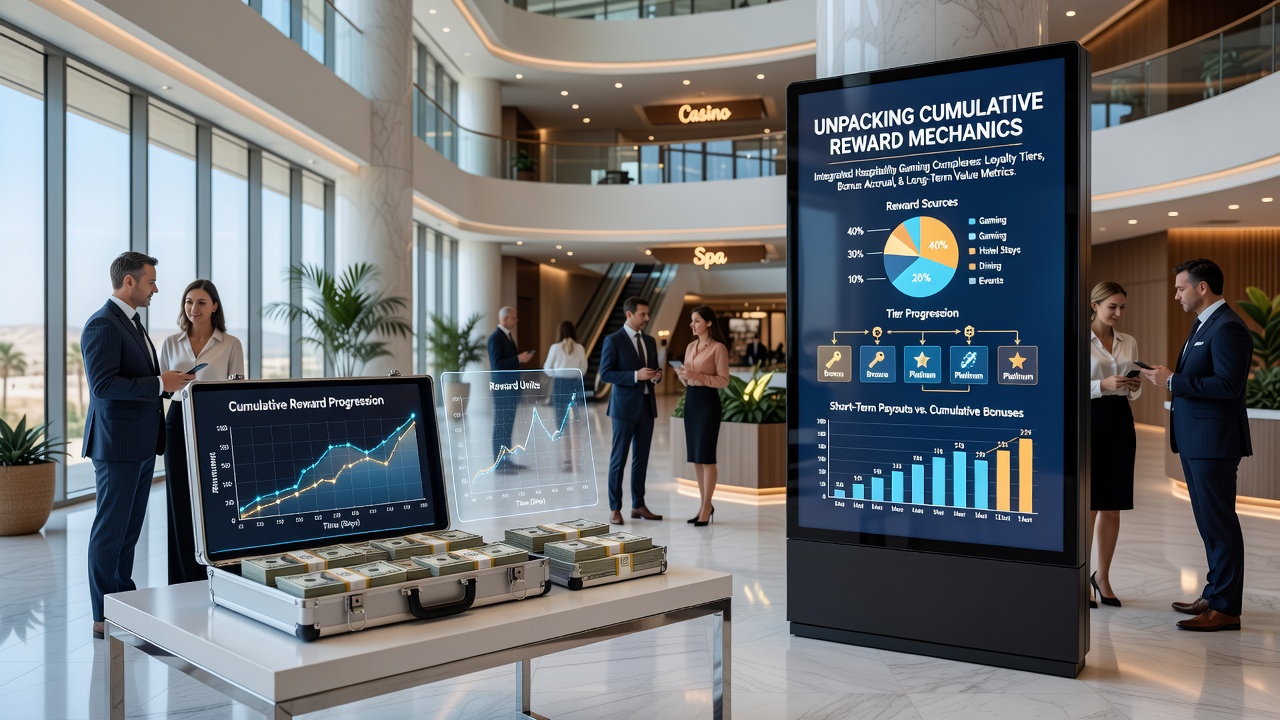
One study published by researchers at the University of Nevada, Las Vegas examined how these differing weightings affect guest behavior across properties and found measurable differences in average daily spend when non-gaming categories carried higher point values. The data showed that complexes offering balanced earning rates across departments recorded more consistent visitation throughout the year rather than spikes tied solely to gaming promotions.
Redemption Options and Their Impact on Revenue
Guests can exchange accumulated points for free play credits, room upgrades, show tickets, or merchandise, and some programs allow conversion into cash-back deposits on gaming accounts. Properties set redemption values so that the cost of the reward remains lower than the incremental revenue generated by the guest's continued activity. Operators monitor breakage rates, the percentage of points that expire unused, to fine-tune earning and redemption ratios.
Figures released by the American Gaming Association in June 2026 indicated that loyalty program redemptions accounted for roughly 18 percent of total complimentaries issued across reporting properties, with hotel room nights representing the largest single category. The same report noted that digital wallets now allow guests to apply points toward purchases made through mobile apps, reducing friction at checkout and increasing overall redemption volume.
Regulatory Oversight and Compliance Requirements
Gaming control agencies require operators to maintain detailed records of point issuance and redemption to ensure that comps do not function as unauthorized inducements. Audits verify that point values remain consistent with approved marketing plans and that tier benefits do not exceed limits set by statute. Properties must also publish clear terms for point expiration, transfer restrictions, and dispute resolution so guests understand program rules before participating.
Canadian provincial regulators have introduced additional reporting on cumulative reward systems since 2025, requiring quarterly disclosures of point liability and breakage estimates. These requirements aim to prevent large unredeemed balances from distorting financial statements while protecting consumers from unexpected program changes.
Conclusion
Cumulative reward mechanics in integrated hospitality gaming complexes function as interconnected accounting systems that assign value to activity across gaming and non-gaming outlets, then convert that value into tiered benefits and redemption options. The underlying technology merges data streams from multiple departments, and operators adjust earning rates and redemption values based on revenue performance and regulatory guidelines. Regional variations reflect differences in regulatory environments and guest demographics, while ongoing platform upgrades continue to improve tracking speed and accuracy. Data from multiple jurisdictions shows these programs influence visitation patterns and spending distribution, and compliance frameworks ensure transparency for both operators and participants.